Education plays a central role in shaping individuals, communities, and economies. As education systems become increasingly focused on measurable outcomes, terms such as education achievement authority have gained importance. The concept generally relates to organizations, institutions, policies, and systems responsible for improving educational achievement, maintaining academic standards, assessing student performance, and supporting schools and educators.
An education achievement authority can help create a structured approach to measuring learning outcomes. It may establish educational standards, develop assessments, monitor achievement data, support schools, and encourage continuous improvement. The ultimate objective is to ensure that students have meaningful opportunities to learn and achieve their academic goals.
Understanding the role of education achievement authority is important for students, parents, teachers, school leaders, policymakers, and education professionals.
What Is Education Achievement Authority?
The phrase education achievement authority can be understood as a framework or governing body focused on educational achievement and accountability. Depending on the country or education system, an authority may have different responsibilities and structures.
In general, such an authority may work to:
- Establish academic standards
- Measure student achievement
- Develop or oversee examinations
- Monitor educational performance
- Support schools and teachers
- Identify learning gaps
- Promote educational equity
- Improve curriculum quality
- Analyze education data
- Encourage continuous improvement
The central idea is that education should not only provide access to schooling but should also help students develop the knowledge, skills, and competencies necessary for further education, employment, and life.
Why Educational Achievement Matters
Educational achievement is an important indicator of how effectively students are learning. Achievement can include academic results, literacy, numeracy, critical thinking, problem-solving, communication, creativity, and other competencies.
Strong educational achievement can provide several benefits.
1. Better Academic Opportunities
Students who develop strong academic foundations may have greater opportunities to pursue higher education, professional training, and specialized careers.
2. Improved Career Readiness
Modern employers increasingly value both technical knowledge and transferable skills. Quality education can help students develop communication, teamwork, digital literacy, problem-solving, and analytical abilities.
3. Economic Development
A well-educated population contributes to productivity, innovation, entrepreneurship, and economic growth. Education authorities therefore have an important role in developing human capital.
4. Social Development
Education can help individuals participate more effectively in their communities. It can encourage responsible citizenship, awareness, communication, and social participation.
5. Greater Educational Equity
Achievement data can reveal differences in outcomes among students and schools. Authorities can use this information to identify areas where additional resources and support may be needed.
Key Functions of an Education Achievement Authority
Although responsibilities differ between education systems, several functions are commonly associated with achievement-focused educational authorities.
Setting Educational Standards
Educational standards define what students should know and be able to do at different stages of their education.
Clear standards provide teachers and schools with a common framework for instruction. They can also help students and parents understand expected learning outcomes.
Effective standards should be appropriately challenging while remaining realistic and accessible to students with different learning needs.
Student Assessment
Assessment is one of the most visible components of educational achievement.
Authorities may oversee examinations, standardized assessments, competency tests, or other evaluation methods. These assessments can provide information about student learning and help identify areas for improvement.
However, assessment is most effective when it is used as a tool for learning rather than simply as a method of ranking students.
Monitoring School Performance
An education achievement authority may collect and analyze information about school performance. Data can include examination results, attendance, graduation rates, student progress, and other educational indicators.
Monitoring can help identify successful practices as well as schools that require additional assistance.
Supporting Teachers
Teachers are fundamental to student achievement. Educational authorities can support teachers through professional development, instructional resources, curriculum guidance, mentoring, and training.
When teachers have access to high-quality resources and ongoing professional learning, they are better positioned to respond to students’ changing educational needs.
Curriculum Development
Curriculum determines what students learn and how learning is organized.
An achievement-focused authority may contribute to curriculum development by ensuring that subjects reflect current knowledge, technological developments, workforce requirements, and broader social needs.
A strong curriculum should balance foundational knowledge with skills such as critical thinking, creativity, collaboration, and communication.
The Role of Assessment in Educational Achievement
Assessment provides evidence about student learning. It can take several forms.
Formative Assessment
Formative assessment takes place during the learning process. Teachers may use quizzes, classroom discussions, assignments, projects, and observations to determine whether students understand a topic.
Its main purpose is to provide feedback and improve learning.
Summative Assessment
Summative assessments are generally conducted at the end of a learning period. Examples include final examinations, standardized tests, and major projects.
These assessments can help measure whether students have achieved specified learning objectives.
Diagnostic Assessment
Diagnostic assessment helps identify strengths and weaknesses before or during instruction. It can be particularly useful when students have different levels of prior knowledge.
Using multiple forms of assessment can provide a more complete picture of student achievement than relying on a single examination.
Education Achievement and Data
Data has become increasingly important in modern education. Schools and authorities can analyze achievement information to understand educational trends.
For example, data may help answer questions such as:
- Which subjects are students struggling with?
- Which groups of students need additional support?
- Are achievement levels improving over time?
- Which teaching approaches appear effective?
- Where are educational resources most needed?
Data should be interpreted carefully. Test results alone cannot capture every aspect of learning. Student motivation, socioeconomic circumstances, school resources, teaching quality, and individual learning differences can all influence outcomes.
Therefore, achievement data should be used alongside qualitative information and professional judgment.
Promoting Equity in Education
One of the most important responsibilities of an education achievement authority is promoting fair opportunities for students.
Students may face different challenges because of geography, family income, access to technology, language, disability, school resources, or other circumstances.
An effective education system should work to reduce unnecessary barriers to learning.
Strategies can include:
- Additional academic support
- Teacher training
- Digital learning resources
- Scholarships and financial assistance
- Special education services
- School improvement programs
- Early intervention
- Community partnerships
Educational achievement should be viewed not only in terms of average performance but also in terms of whether every student has a realistic opportunity to succeed.
Technology and Educational Achievement
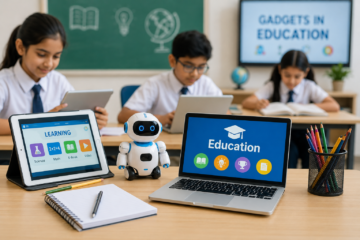
Technology is changing how education is delivered, assessed, and monitored.
Digital learning platforms can provide students with access to educational materials beyond the traditional classroom. Online assessments can provide rapid feedback, while data systems can help educators monitor student progress.
Artificial intelligence and adaptive learning technologies may also personalize educational experiences by adjusting content to individual student needs.
However, technology should complement teachers rather than replace effective human instruction. Digital access must also be considered carefully because students do not always have equal access to devices, reliable internet, or suitable learning environments.
The Importance of Teachers and School Leaders
No education authority can improve achievement without effective teachers and school leadership.
Teachers influence student learning through instruction, feedback, classroom management, encouragement, and relationships with students.
School leaders also play an important role by creating positive learning environments, supporting teachers, managing resources, and establishing a culture of continuous improvement.
An effective achievement strategy therefore needs to involve educators rather than simply imposing performance targets on schools.
Challenges Faced by Education Achievement Authorities
Improving educational achievement is complex. Authorities may face several challenges.
Overemphasis on Test Scores
If schools are judged primarily by examination results, teaching may become narrowly focused on test preparation. This can reduce opportunities for creativity, collaboration, practical learning, and broader personal development.
Educational Inequality
Differences in resources and student circumstances can make achievement gaps difficult to address.
Changing Workforce Requirements
The skills needed by employers continue to evolve. Education authorities must ensure that curricula remain relevant in a changing economy.
Teacher Workload
Teachers may struggle when new assessments, reporting requirements, curricula, and administrative responsibilities are introduced without adequate support.
Measuring the Full Meaning of Achievement
Not every valuable educational outcome is easy to measure. Confidence, creativity, resilience, collaboration, curiosity, and civic awareness may not be fully reflected in standardized tests.
How Education Achievement Can Be Improved
Improving educational achievement requires a long-term and balanced approach.
Focus on Strong Foundations
Literacy, numeracy, scientific understanding, communication, and digital literacy provide a foundation for future learning.
Provide Early Support
Identifying learning difficulties early can prevent small gaps from becoming larger problems.
Invest in Teachers
Continuous professional development, mentoring, fair working conditions, and access to quality resources can strengthen teaching.
Use Assessment Effectively
Assessment should provide useful information that helps students and teachers understand what needs to improve.
Encourage Parent and Community Engagement
Parents and communities can contribute significantly to student motivation and educational development.
Promote Student Well-Being
Students learn more effectively when they feel safe, supported, respected, and connected to their school.
Use Technology Responsibly
Digital tools can expand access to learning and provide personalized support, but they should be implemented with attention to accessibility, privacy, and educational quality.
Education Achievement Authority and the Future of Education
The future of education will require authorities to balance academic achievement with broader skills and competencies.
Students increasingly need adaptability, digital literacy, critical thinking, creativity, collaboration, and lifelong learning abilities. Education systems must therefore prepare students not only for examinations but also for rapidly changing personal and professional environments.
Future education achievement frameworks are likely to place greater emphasis on continuous assessment, personalized learning, digital education, data-informed decision-making, and skills-based learning.
At the same time, fundamental educational principles remain important. Qualified teachers, strong curricula, supportive learning environments, and equitable access to education will continue to be essential.
Conclusion
The concept of education achievement authority highlights the importance of organized efforts to improve educational outcomes. Whether represented by a formal government organization, an assessment body, or a broader education governance framework, an achievement-focused authority can help establish standards, measure progress, support schools, and identify opportunities for improvement.
However, educational achievement should not be reduced to examination scores alone. True achievement includes knowledge, skills, confidence, critical thinking, creativity, and the ability to apply learning in real-world situations.
The most effective education systems combine high expectations with strong teacher support, meaningful assessment, equitable opportunities, student well-being, and continuous improvement. By focusing on these principles, education authorities can help create learning environments where more students have the opportunity to reach their full potential.
Ultimately, the goal of education achievement is not simply to produce higher numbers on a report card. It is to help students become capable, confident, knowledgeable, and adaptable individuals who can contribute positively to society and continue learning throughout their lives.


0 Comments