Education is one of the most important foundations of a successful society. While teachers and school principals are highly visible parts of the education system, many professionals work behind the scenes to make sure educational policies, programs, standards, and resources are properly managed. One such role is the General Education Officer.
The exact meaning of the title can vary between countries and organizations. In some systems, it may refer to an education administrator or government education official responsible for overseeing schools and implementing educational policies. In others, such as Singapore, General Education Officer (GEO) is an official designation used for teachers employed by the Ministry of Education.
Understanding the role is therefore important for students, teachers, education professionals, parents, and anyone interested in careers in educational administration.
What Is a General Education Officer?
A General Education Officer is an education professional whose responsibilities depend on the organization and education system in which they work. The position can involve teaching, educational administration, curriculum support, policy implementation, school monitoring, teacher development, or coordination of educational programs.
At an administrative level, an education officer may serve as a link between government education departments, schools, teachers, students, and communities. Their work can include monitoring educational standards, supporting schools, reviewing programs, managing resources, and helping implement education policies.
In India, for example, education-officer positions exist within state education services. The Educational (General Education Cadre) Service Rules include positions such as District Basic Education Officer, Associate Inspector of Schools, District Non-Formal Education Officer, and Assistant Deputy Director of Education.
This demonstrates that education-officer roles can form an important part of the wider educational administration structure.
Key Responsibilities of a General Education Officer
The responsibilities of a General Education Officer can differ according to the employer and level of the position. However, several duties are commonly associated with education administration.
1. Implementing Education Policies
One of the most important responsibilities is helping schools and educational institutions implement government or organizational policies.
Education policies may cover areas such as:
- Curriculum standards
- Student assessment
- Teacher development
- School management
- Attendance
- Inclusion
- Educational technology
- Student welfare
- Quality standards
An education officer helps translate broad policies into practical actions that schools and educators can understand and follow.
2. Monitoring Educational Standards
Education officers may review school performance and educational programs to determine whether expected standards are being maintained.
This can involve examining reports, visiting schools, reviewing academic performance, communicating with teachers, and identifying areas that require improvement.
Effective monitoring should not simply focus on identifying problems. It should also help schools find practical solutions.
3. Supporting Teachers
Teachers are central to education, but they also require professional support. A General Education Officer may help organize training programs, workshops, seminars, mentoring activities, or other professional-development opportunities.
Professional development can help teachers learn about:
- New teaching methods
- Digital learning tools
- Assessment strategies
- Classroom management
- Inclusive education
- Curriculum changes
- Student-centered learning
Supporting educators can ultimately improve classroom experiences for students.
4. Curriculum Coordination
Curriculum development and implementation are another important part of educational administration.
A General Education Officer may help ensure that curriculum requirements are understood and implemented consistently. At the higher-education level, general education officers can also coordinate curriculum, work with academic departments, organize faculty development, and participate in assessment and improvement activities.
5. School Inspection and Review
Depending on the education system, an education officer may visit schools to evaluate facilities, teaching practices, administration, student progress, and compliance with education requirements.
School reviews can provide valuable information about what is working and where additional support is needed.
6. Managing Educational Resources
Schools need adequate resources to function effectively. These may include:
- Teachers and support staff
- Textbooks
- Technology
- Classrooms
- Learning materials
- Training opportunities
- Financial resources
- Infrastructure
Education officers may participate in planning, monitoring, or coordinating the use of these resources.
7. Communication and Coordination
Education systems involve many stakeholders. A General Education Officer may communicate with:
- Teachers
- Principals
- School administrators
- Parents
- Government departments
- Education boards
- Community organizations
- Students
- Other education professionals
Strong communication is therefore essential. Officers often need to explain policies clearly while also communicating feedback from schools to senior authorities.
Skills Required for a General Education Officer
A successful General Education Officer needs more than academic qualifications. The position requires a combination of professional knowledge, leadership ability, communication skills, and practical problem-solving.
Leadership
Education officers often coordinate people and programs. Strong leadership helps them establish clear goals, encourage teamwork, and guide educational improvement.
Communication
Clear written and verbal communication is essential. Officers may need to prepare reports, conduct meetings, explain policies, communicate with teachers, and work with government officials.
Problem-Solving
Educational institutions face many challenges, from staffing issues to limited resources and changing curriculum requirements. An effective officer should be able to identify problems, evaluate possible solutions, and make informed decisions.
Organizational Skills
Education administration can involve multiple schools, programs, deadlines, reports, meetings, and projects. Strong organizational skills help officers manage these responsibilities efficiently.
Analytical Thinking
Education decisions increasingly depend on information and evidence. Officers may need to analyze student performance, attendance, school reports, program results, and other data.
Knowledge of Education Policy
A strong understanding of education laws, regulations, standards, and policies helps officers implement requirements correctly.
Adaptability
Education continues to change because of technology, changing student needs, new teaching approaches, and evolving workforce requirements. Education professionals must be willing to learn and adapt.
Educational Qualifications
The qualifications required for a General Education Officer vary considerably by country, department, and position.
Many administrative education positions require a bachelor’s or postgraduate qualification in areas such as:
- Education
- Educational administration
- Public administration
- Social sciences
- A relevant teaching subject
Some senior positions may require postgraduate qualifications and substantial professional experience.
For example, the Educational (General Education Cadre) Service Rules specify a postgraduate degree as an essential qualification for the District Basic Education Officer position, while teaching-related qualifications such as B.Ed. may be preferential.
Candidates should always check the official recruitment rules for the specific position because qualification requirements can change between departments and jurisdictions.
Experience Can Be Valuable
Academic qualifications are only one part of preparing for an education-officer career. Practical experience can also be extremely useful.
Many education professionals build experience by working as:
- Classroom teachers
- Department coordinators
- School administrators
- Academic coordinators
- Education project officers
- Curriculum specialists
- Education consultants
Classroom experience can be particularly valuable because it helps an officer understand the practical challenges faced by teachers and students.
General Education Officer vs. Teacher
Although the two roles can overlap, they are not always the same.
A teacher generally focuses directly on classroom instruction, student learning, assessment, and classroom management.
An education officer, depending on the system, may have a broader responsibility involving several schools, education programs, policy implementation, administration, or teacher support.
However, the distinction is not universal. In Singapore, for example, the term General Education Officer is an official designation for teachers within the Ministry of Education.
Therefore, anyone researching this career should pay attention to the specific country and employer rather than assuming that every General Education Officer has identical responsibilities.
Career Path of a General Education Officer
A potential career pathway may look like this:
Education Qualification → Teaching or Education Experience → Leadership/Administrative Experience → Education Officer Position → Senior Education Administration
The exact route depends on the organization.
Professionals can potentially progress into roles involving:
- District-level education administration
- Curriculum management
- School inspection
- Teacher training
- Education policy
- Program management
- Department leadership
- Regional education administration
- Senior government education positions
Continuing education and professional development can help candidates remain competitive as responsibilities increase.
Importance of General Education Officers
A strong education system requires more than good classrooms and textbooks. It needs effective planning, leadership, monitoring, communication, and policy implementation.
General Education Officers can contribute by connecting different parts of the education system.
For example, a government department may introduce a new educational policy. Teachers need to understand how the policy affects classroom practice. Schools need resources and guidance. Administrators need to monitor implementation. Feedback may then need to return to policymakers.
An education officer can help connect these stages.
This coordination can support consistency, accountability, and continuous improvement.
Challenges Faced by General Education Officers
The position can be rewarding, but it also comes with significant challenges.
Managing Multiple Priorities
Education officers may have to handle administrative work while also responding to school-level concerns. Prioritizing effectively is essential.
Limited Resources
Some schools may face shortages of teachers, infrastructure, technology, or learning materials. Officers may need to identify priorities and make the best use of available resources.
Implementing Change
New educational policies and technologies can sometimes face resistance. Officers need patience, communication, and leadership to help organizations adapt.
Balancing Administration and Learning
Administrative responsibilities should ultimately support better educational outcomes. Officers need to ensure that paperwork and procedures do not overshadow the central purpose of education.
Working With Diverse Stakeholders
Teachers, parents, students, administrators, and government officials may have different expectations. Building cooperation requires diplomacy and strong interpersonal skills.
How Technology Is Changing the Role
Technology is transforming education at every level.
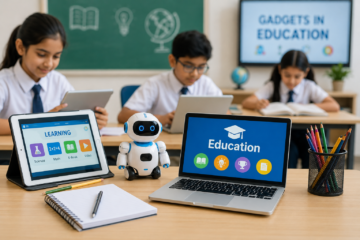
Digital learning platforms, online assessments, data systems, artificial intelligence, educational applications, and virtual classrooms are creating new opportunities and challenges.
A modern General Education Officer may therefore need knowledge of:
- Digital education platforms
- Data analysis
- Online learning
- Education management systems
- Digital assessment
- Artificial intelligence in education
Technology should not replace educators. Instead, it can provide tools that help teachers and administrators make better decisions and improve learning experiences.
General Education Officer and Educational Equality
One of the most important goals of educational administration is ensuring that students have fair access to quality education.
Education officers can help identify gaps between schools or communities and support programs designed to address those gaps.
This may include initiatives related to:
- Rural education
- Inclusive education
- Student attendance
- Teacher availability
- Learning resources
- Digital access
- Support for disadvantaged students
When educational planning considers the needs of different communities, education systems can become more inclusive and effective.
Why Consider a Career as a General Education Officer?
A career in educational administration can be attractive to people who want to contribute to education beyond the traditional classroom.
The role can provide opportunities to:
- Influence educational programs
- Support teachers
- Improve schools
- Participate in policy implementation
- Work with education leaders
- Develop leadership skills
- Contribute to community development
The biggest advantage is the potential to create an impact across a larger group of students and educators.
Tips for Becoming Successful in the Field
Anyone interested in becoming a General Education Officer can begin by developing a strong foundation in education and administration.
Build Strong Academic Knowledge
Choose a relevant degree and develop a good understanding of teaching, learning, educational psychology, administration, and policy.
Gain Practical Experience
Classroom teaching, school administration, project coordination, or education-related volunteering can provide useful experience.
Improve Communication
Practice professional writing, presentations, meetings, and interpersonal communication.
Develop Leadership Skills
Take opportunities to coordinate projects, mentor colleagues, organize activities, or lead teams.
Learn Data and Technology
Modern education increasingly depends on data and digital tools. Developing these skills can make education professionals more effective.
Continue Learning
Education is constantly evolving. Regular professional development can help officers stay current with new policies, teaching practices, and technology.
Future of the General Education Officer Role
The future of educational administration is likely to become increasingly data-driven, technology-enabled, and focused on measurable learning outcomes.
Education officers may have greater involvement in:
- Digital transformation
- AI-supported education
- Teacher professional development
- Learning analytics
- Inclusive education
- Curriculum modernization
- Student well-being
- Education quality assurance
At the same time, human leadership will remain essential. Technology can provide information, but people are still needed to interpret that information, understand local circumstances, communicate with educators, and make responsible decisions.
Conclusion
A General Education Officer can play an important role in connecting educational policy, administration, teachers, schools, and students. Although the precise duties and meaning of the title vary by country and organization, the broader purpose is often connected to improving the quality, coordination, and effectiveness of education.
For people interested in educational leadership, this career can provide an opportunity to move beyond individual classroom teaching and contribute to broader educational development. Success requires a combination of academic preparation, practical experience, leadership, communication, organization, analytical thinking, and a commitment to lifelong learning.
As education continues to evolve, professionals who can combine educational knowledge with strong administration and modern technology skills will remain valuable to schools and education systems.


0 Comments