Education is one of the strongest foundations for a young person’s future. However, effective education is not limited to textbooks, examinations, or traditional classroom instruction. Young learners also need opportunities to develop communication, creativity, critical thinking, teamwork, leadership, and practical problem-solving skills.
A youth education series is one approach that brings these elements together through a structured sequence of lessons, workshops, activities, projects, or learning experiences. Instead of treating every lesson as an isolated event, a series can give students a continuous path for developing knowledge and skills.
Youth education programs can be organized by schools, community organizations, nonprofits, cultural institutions, educational providers, and other groups. They may focus on academic subjects, STEM, arts, leadership, career exploration, life skills, civic engagement, or a combination of these areas.
Research on youth programs also suggests that non-academic and occupational skills can play an important role alongside traditional academic abilities.
What Is a Youth Education Series?
A youth education series is a planned set of educational sessions designed around the needs and interests of children or teenagers.
Rather than offering only one workshop, a series normally contains multiple connected sessions. Each session can introduce a new topic while building on knowledge from previous activities.
For example, a six-week youth education series might include:
- Introduction to communication and teamwork
- Creative problem-solving activities
- Technology and digital skills
- Career exploration
- Leadership and project development
- Final presentation and reflection
The exact structure depends on the age of participants, educational goals, available resources, and subject matter.
Some youth education programs emphasize hands-on experiences. For example, Disney’s Youth Education Series has historically used real-world environments and guided activities to connect classroom concepts with practical experiences.
Why Youth Education Series Programs Matter
Young people are preparing for a world that continues to change rapidly. Technology, communication methods, workplaces, and career opportunities are constantly evolving.
A strong youth education series can complement traditional schooling by providing learning experiences that encourage students to apply what they know.
1. Encourages Active Learning
Students often understand concepts more effectively when they participate rather than simply listen.
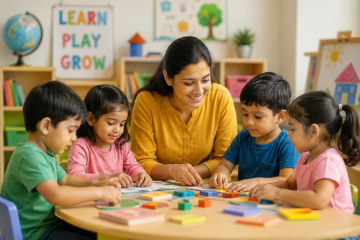
Activities such as experiments, group challenges, demonstrations, discussions, presentations, and projects can make lessons more interactive.
Active learning also gives students opportunities to make mistakes, ask questions, test ideas, and improve their understanding.
2. Builds Confidence
Confidence is an important part of personal and academic development.
When students successfully complete a project, explain an idea to others, solve a problem, or work as part of a team, they can gain confidence in their abilities.
A well-designed series should therefore provide achievable challenges while gradually increasing the level of difficulty.
3. Develops Communication Skills
Communication is useful in school, higher education, employment, and everyday life.
Youth education activities can encourage students to:
- Speak clearly
- Listen carefully
- Ask meaningful questions
- Present ideas
- Participate in discussions
- Write effectively
- Give and receive constructive feedback
These skills become especially valuable when students begin exploring careers and professional environments.
4. Strengthens Critical Thinking
A good youth education series should not only provide answers. It should encourage young people to ask why and how.
Problem-solving activities can help students compare information, identify challenges, consider alternatives, and make informed decisions.
This is particularly valuable in STEM, entrepreneurship, environmental education, media literacy, and civic learning.
5. Promotes Teamwork
Many real-world challenges require collaboration.
Group projects teach students how to divide responsibilities, communicate with teammates, resolve disagreements, and work toward a shared objective.
Team-based activities can also help students recognize that different people bring different perspectives and strengths.
Common Types of Youth Education Series
There is no single format for a youth education series. Programs can be designed around almost any educational objective.
Academic Enrichment Series
Academic enrichment programs supplement classroom learning.
Possible subjects include:
- Mathematics
- Science
- Reading
- Writing
- History
- Geography
- Languages
These programs may use games, projects, competitions, tutoring, or interactive lessons to make academic learning more engaging.
STEM Education Series
STEM programs focus on science, technology, engineering, and mathematics.
Students might build models, conduct experiments, learn coding, explore robotics, analyze data, or solve engineering challenges.
Hands-on approaches can make abstract concepts easier to understand because students see how theories operate in practical situations.
Arts and Creative Education
Education should also leave room for creativity.
A youth education series can incorporate:
- Music
- Theater
- Dance
- Drawing
- Photography
- Storytelling
- Creative writing
- Digital media
Creative activities can encourage self-expression while helping students develop discipline, collaboration, communication, and presentation skills.
Leadership Education
Leadership programs help students understand responsibility, decision-making, teamwork, and goal setting.
A leadership series might involve students planning a community project, organizing an event, leading a group activity, or presenting solutions to a problem.
The goal is not simply to create future managers. Leadership education can help young people become responsible participants in their schools and communities.
Career Exploration Series
Career education introduces students to different professions and pathways.
Sessions might include:
- Career-interest activities
- Interviews with professionals
- Workplace visits
- Resume basics
- Public speaking
- Entrepreneurship
- Financial literacy
- College or vocational planning
Career exploration can help young people connect what they study today with possible opportunities in the future.
Life Skills Series
Young people also need practical skills that may not always receive extensive attention in conventional classrooms.
A life-skills series might cover:
- Time management
- Goal setting
- Personal organization
- Financial basics
- Decision-making
- Digital responsibility
- Conflict resolution
- Healthy communication
These topics can help students become more prepared for independence.
The Role of Hands-On Learning
One of the defining features of many successful youth education programs is experiential learning.
Instead of only explaining a concept, educators can give students opportunities to experience it.
For example, a science lesson about environmental sustainability could include an investigation of local waste management. A business lesson could involve creating a simple business idea. A communication lesson could finish with a student presentation.
Hands-on experiences can make education more memorable because students connect concepts with actions and real-world situations.
Official descriptions of Disney’s Youth Education Series, for example, have emphasized interactive, hands-on learning and applying classroom principles in real environments.
Youth Education Series and Career Readiness
Education and employment are increasingly connected.
Young people need more than subject knowledge to navigate future workplaces. They also need skills such as communication, collaboration, adaptability, problem-solving, and professional awareness.
Youth programs can introduce these skills before students enter the workforce.
For example, students might work on a team project and then present their results. This single activity can develop planning, collaboration, research, communication, and presentation skills.
Evidence reviewed in research on youth education and training programs has highlighted the importance of non-academic and occupational skills in addition to traditional academic abilities.
Making Youth Education More Inclusive
An effective youth education series should be accessible to learners with different backgrounds, abilities, interests, and learning preferences.
Program designers can improve accessibility by:
- Offering different ways to participate
- Using clear and age-appropriate language
- Providing visual and practical learning materials
- Allowing students to work individually or in groups
- Providing additional support when needed
- Considering different cultural and community contexts
- Keeping activities affordable whenever possible
Access matters because educational opportunities outside school can sometimes be unevenly distributed.
Organizations such as the YMCA highlight the importance of programs that support educational readiness and help address opportunity gaps among young people.
The Importance of Mentorship
Mentors can add another valuable dimension to youth education.
A mentor may be a teacher, professional, community leader, older student, or trained volunteer.
Mentorship gives students an opportunity to ask questions, receive feedback, discuss goals, and learn from another person’s experiences.
For career-focused programs, professionals can explain what their work actually involves and what skills are useful in their field.
Mentorship can therefore turn abstract career ideas into more realistic possibilities.
Technology in Youth Education
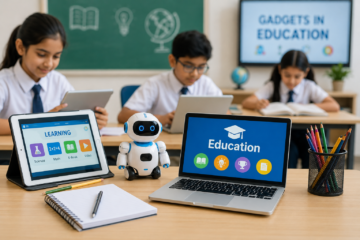
Technology has become an important part of modern learning.
A youth education series can use technology for:
- Online research
- Digital presentations
- Coding
- Educational games
- Virtual collaboration
- Multimedia projects
- Interactive simulations
- Digital storytelling
However, technology should serve the educational objective rather than become the objective itself.
A successful program balances screen-based activities with discussion, movement, hands-on work, creativity, and personal interaction.
How to Design an Effective Youth Education Series
Creating a useful program requires more than choosing interesting topics.
Step 1: Define the Audience
Determine the age range, existing knowledge, interests, and learning needs of participants.
A program designed for elementary students should look very different from one created for teenagers preparing for careers.
Step 2: Set Clear Learning Objectives
Every session should have a purpose.
For example:
By the end of the session, students will be able to explain three basic principles of effective teamwork.
Clear objectives make it easier for educators to plan activities and measure progress.
Step 3: Choose Engaging Activities
Use a combination of instruction and participation.
Activities can include:
- Group discussions
- Experiments
- Role-playing
- Games
- Projects
- Field experiences
- Presentations
- Creative challenges
Step 4: Connect Lessons Together
A series becomes more powerful when every session contributes to a larger goal.
Students should understand how today’s lesson connects with what they learned previously and what they will learn next.
Step 5: Measure Progress
Evaluation does not always need to be a formal examination.
Educators can use:
- Short quizzes
- Projects
- Presentations
- Reflection exercises
- Portfolios
- Group assessments
- Student feedback
The purpose is to understand what students have learned and where they need additional support.
The Role of Parents, Schools, and Communities
Youth education works best when different parts of a young person’s environment support learning.
Parents can encourage children to discuss what they learned and apply new skills at home.
Schools can connect youth education activities with classroom subjects.
Community organizations can provide facilities, mentors, volunteers, and real-world experiences.
Businesses and professionals can contribute career talks, workplace knowledge, or project opportunities.
This collaborative approach can create a stronger learning ecosystem around young people.
Challenges of Youth Education Programs
Despite their benefits, youth education series programs can face several challenges.
Funding
Quality programs require educators, materials, facilities, technology, transportation, and other resources.
Limited funding can make it difficult to maintain consistent programming.
Participation
Young people have many competing demands, including schoolwork, family responsibilities, extracurricular activities, and employment.
Programs therefore need engaging formats and convenient schedules.
Different Learning Needs
Students do not learn in exactly the same way. A program that works well for one group may require modification for another.
Measuring Long-Term Impact
Some benefits, such as confidence, leadership, communication, and career awareness, may take time to become visible.
Program evaluation should therefore consider both immediate learning outcomes and longer-term development.
The Future of Youth Education Series
The future of youth education is likely to involve increasingly flexible and interdisciplinary learning.
Instead of separating academic knowledge from practical skills, programs can combine them.
A student might learn mathematics through entrepreneurship, science through environmental projects, communication through theater, or technology through robotics.
This approach helps students understand that knowledge is interconnected.
Youth education can also become more personalized. Digital tools can support different learning speeds and interests, while educators continue providing the human guidance, encouragement, and mentorship that technology cannot replace.
Conclusion
A youth education series can provide young learners with much more than additional classroom instruction. When thoughtfully designed, it can combine academic knowledge with creativity, communication, leadership, teamwork, problem-solving, career exploration, and practical experience.
The strongest programs focus on the whole learner. They create opportunities for students to ask questions, experiment, collaborate, make decisions, solve problems, and reflect on what they have learned.
Whether delivered through a school, nonprofit, community organization, cultural institution, or educational provider, a youth education series can become a valuable complement to traditional education.
Ultimately, the goal is not simply to help young people perform well in school. It is to help them become curious learners, confident communicators, capable problem-solvers, and prepared participants in the communities and workplaces of the future.
0 Comments