Education systems are the backbone of every nation’s development. They shape the intellectual, social, emotional, and economic future of individuals and societies. A well-structured education system equips learners with the knowledge, skills, and values needed to succeed in a rapidly changing world.
From early childhood education to higher education and lifelong learning, education systems provide a framework that supports academic growth and personal development. As technology, globalization, and workforce demands evolve, education systems must adapt to prepare future generations for new opportunities and challenges.
This article explores the concept of education systems, their components, types, benefits, challenges, and the future of education worldwide.
What Are Education Systems?
Education systems refer to the organized structure through which educational institutions deliver learning to students. These systems include policies, curriculum, teaching methods, examinations, educational institutions, and governance that collectively ensure quality education.
An education system typically includes:
- Early childhood education
- Primary education
- Secondary education
- Higher education
- Vocational and technical education
- Adult and lifelong learning
Each stage builds on previous learning experiences to develop academic knowledge, critical thinking, creativity, and practical skills.
Importance of Education Systems
Education systems play a vital role in national and individual development.
1. Promoting Knowledge and Skills
Education helps students acquire literacy, numeracy, scientific understanding, communication skills, and digital competencies.
2. Economic Development
Countries with strong education systems often experience higher productivity, innovation, and economic growth. A skilled workforce attracts investment and creates employment opportunities.
3. Social Equality
Quality education reduces inequality by providing equal learning opportunities regardless of socioeconomic background.
4. Personal Development
Education encourages self-confidence, creativity, emotional intelligence, leadership, and problem-solving abilities.
5. Civic Responsibility
Education systems teach ethics, citizenship, environmental awareness, and respect for cultural diversity, helping create responsible citizens.
Types of Education Systems
Different countries adopt different educational models depending on their culture, economy, and national priorities.
Traditional Education System
This model emphasizes classroom teaching, textbooks, examinations, and teacher-centered instruction.
Advantages
- Structured curriculum
- Direct teacher guidance
- Classroom interaction
- Standardized assessment
Limitations
- Less flexibility
- Limited personalized learning
- Heavy dependence on examinations
Online Education System
Digital platforms enable students to learn remotely using internet-based technologies.
Benefits
- Flexible learning schedules
- Global access to courses
- Affordable education
- Self-paced learning
Challenges
- Internet accessibility
- Reduced social interaction
- Self-discipline requirements
Hybrid Education System
Hybrid learning combines classroom instruction with online education.
Students attend physical classes while also using digital resources, recorded lectures, and virtual assignments.
Advantages include flexibility, technology integration, and improved learning outcomes.
Vocational Education System
Vocational education focuses on practical skills required for specific careers.
Examples include:
- Electrical work
- Healthcare
- Automotive technology
- Hospitality
- Construction
- Information technology
These programs prepare students for immediate employment.
Inclusive Education System
Inclusive education ensures students with disabilities and diverse learning needs receive equal educational opportunities alongside their peers.
Benefits include:
- Equal access
- Social inclusion
- Better collaboration
- Improved confidence
Components of a Successful Education System
An effective education system consists of several interconnected elements.
Quality Curriculum
A modern curriculum should include:
- Mathematics
- Science
- Languages
- Social studies
- Technology
- Arts
- Physical education
- Life skills
The curriculum must remain updated to reflect changing industry needs.
Skilled Teachers
Teachers are the foundation of successful education systems.
Effective teachers:
- Inspire learning
- Encourage creativity
- Support student development
- Use innovative teaching methods
- Provide constructive feedback
Continuous professional development helps teachers remain effective.
Student Assessment
Assessment measures learning outcomes and identifies areas for improvement.
Common assessment methods include:
- Written examinations
- Practical projects
- Presentations
- Assignments
- Online quizzes
- Portfolio assessments
Modern education increasingly values continuous assessment over one-time examinations.
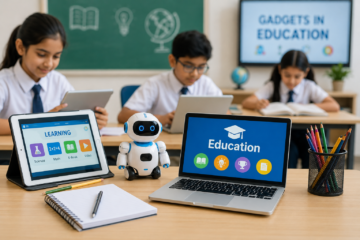
Technology Integration
Technology has transformed education systems through:
- Smart classrooms
- Learning management systems
- Artificial intelligence
- Virtual laboratories
- Educational apps
- Video conferencing
- Digital libraries
Technology makes education more engaging and accessible.
Educational Infrastructure
Schools require:
- Safe classrooms
- Libraries
- Laboratories
- Sports facilities
- Internet connectivity
- Computer labs
- Clean drinking water
- Sanitation facilities
A supportive learning environment improves academic performance.
Benefits of Strong Education Systems
Effective education systems provide numerous benefits.
Improved Employment Opportunities
Students gain industry-relevant knowledge that increases employability.
Innovation and Research
Universities and research institutions contribute to scientific discoveries and technological advancements.
Reduced Poverty
Education enables individuals to secure better-paying jobs, improving living standards.
Better Health Awareness
Educated individuals often make informed decisions about nutrition, hygiene, healthcare, and disease prevention.
Stronger Communities
Education promotes social harmony, tolerance, and community participation.
Challenges Facing Education Systems
Despite significant progress, education systems face multiple challenges.
Unequal Access
Many children still lack access to quality education because of:
- Poverty
- Geographic isolation
- Gender inequality
- Conflict
- Disabilities
Teacher Shortages
Many schools experience shortages of qualified teachers, affecting educational quality.
Outdated Curriculum
Rapid technological changes require regular curriculum updates. Outdated content may not prepare students for modern careers.
Digital Divide
Not all students have access to:
- Computers
- High-speed internet
- Digital devices
This creates learning inequalities.
Mental Health Concerns
Academic pressure, examinations, and competition can negatively affect students’ mental well-being.
Education systems increasingly recognize the importance of counseling and emotional support.
Technology and Modern Education Systems
Technology continues transforming education.
Key innovations include:
Artificial Intelligence
AI provides personalized learning experiences by adapting lessons to individual student needs.
Virtual Reality
Virtual reality creates immersive educational experiences, especially in science, medicine, and engineering.
Learning Analytics
Educational institutions analyze student performance data to improve teaching strategies.
Gamification
Educational games increase motivation and improve knowledge retention.
Cloud Learning
Students can access learning materials anytime using cloud-based platforms.
Global Trends in Education Systems
Several trends are shaping modern education.
Personalized Learning
Education increasingly focuses on each student’s strengths, interests, and learning pace.
Competency-Based Education
Students progress after mastering skills rather than spending fixed amounts of classroom time.
Lifelong Learning
Rapid technological advancement requires continuous skill development throughout life.
Sustainability Education
Schools increasingly teach environmental conservation and sustainable development.
Digital Literacy
Students learn coding, cybersecurity, data analysis, and responsible internet use from an early age.
How Education Systems Can Improve
Governments, educators, and communities can strengthen education systems through several initiatives.
- Invest in teacher training.
- Modernize curricula regularly.
- Expand internet access.
- Increase educational funding.
- Encourage innovation in teaching.
- Support student mental health.
- Promote inclusive education.
- Strengthen partnerships with industries.
- Improve vocational education.
- Enhance digital infrastructure.
These improvements create more resilient and future-ready education systems.
The Future of Education Systems
The future of education will be more flexible, technology-driven, and learner-centered.
Expected developments include:
- AI-powered tutoring
- Adaptive learning platforms
- Global virtual classrooms
- Micro-credentials and digital certifications
- Project-based learning
- Greater emphasis on creativity and critical thinking
- Collaboration between educational institutions and industries
Rather than focusing solely on memorization, future education systems will prioritize innovation, communication, leadership, and lifelong learning.
Conclusion
Education systems are fundamental to personal growth, economic prosperity, and social progress. They provide the structure through which knowledge, skills, and values are passed from one generation to the next. While challenges such as unequal access, outdated curricula, and technological disparities remain, continuous investment and innovation can help create more effective and inclusive learning environments.
As societies evolve, education systems must also transform to meet the demands of a digital, interconnected, and rapidly changing world. By embracing technology, supporting teachers, promoting inclusivity, and focusing on lifelong learning, nations can buildeducation systems that empower individuals and strengthen communities for generations to come.



0 Comments